Writing
Writing
Writing
Writing
Showing 73–84 of 95 articles.

Radio-taiso models sustainable progress by favoring rhythm, repetition, and consistency over intensity or short bursts of effort.
Kintsugi shows how visible repair can add beauty, suggesting that design, AI, and daily life gain character through imperfection.
Small gestures can transform customer experience by making people feel seen, turning ordinary service into loyalty-building care.
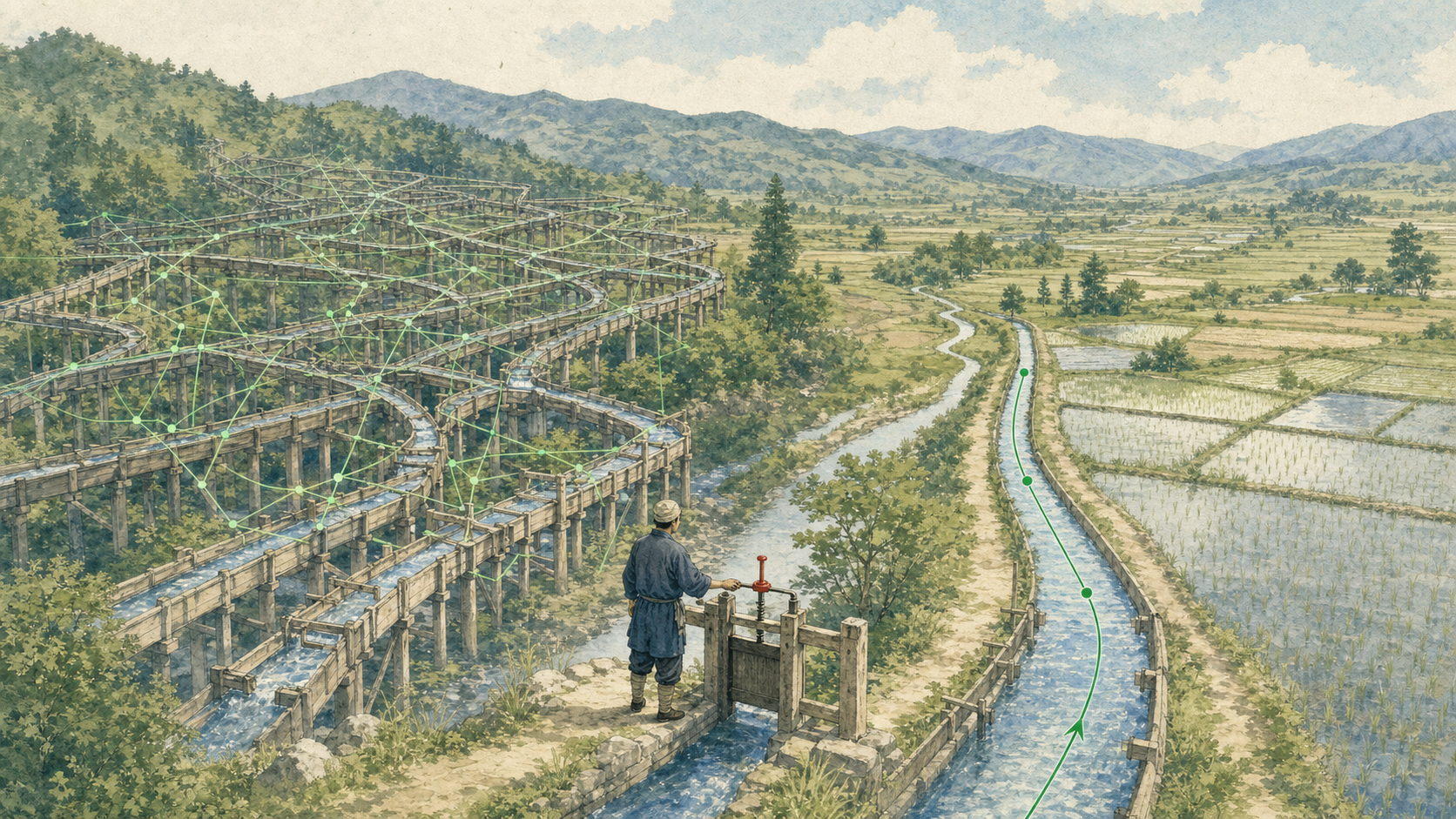
Smarter AI is not always larger AI; GPT-4.5 highlights how complexity can outrun practical reasoning in bounded real-world settings.
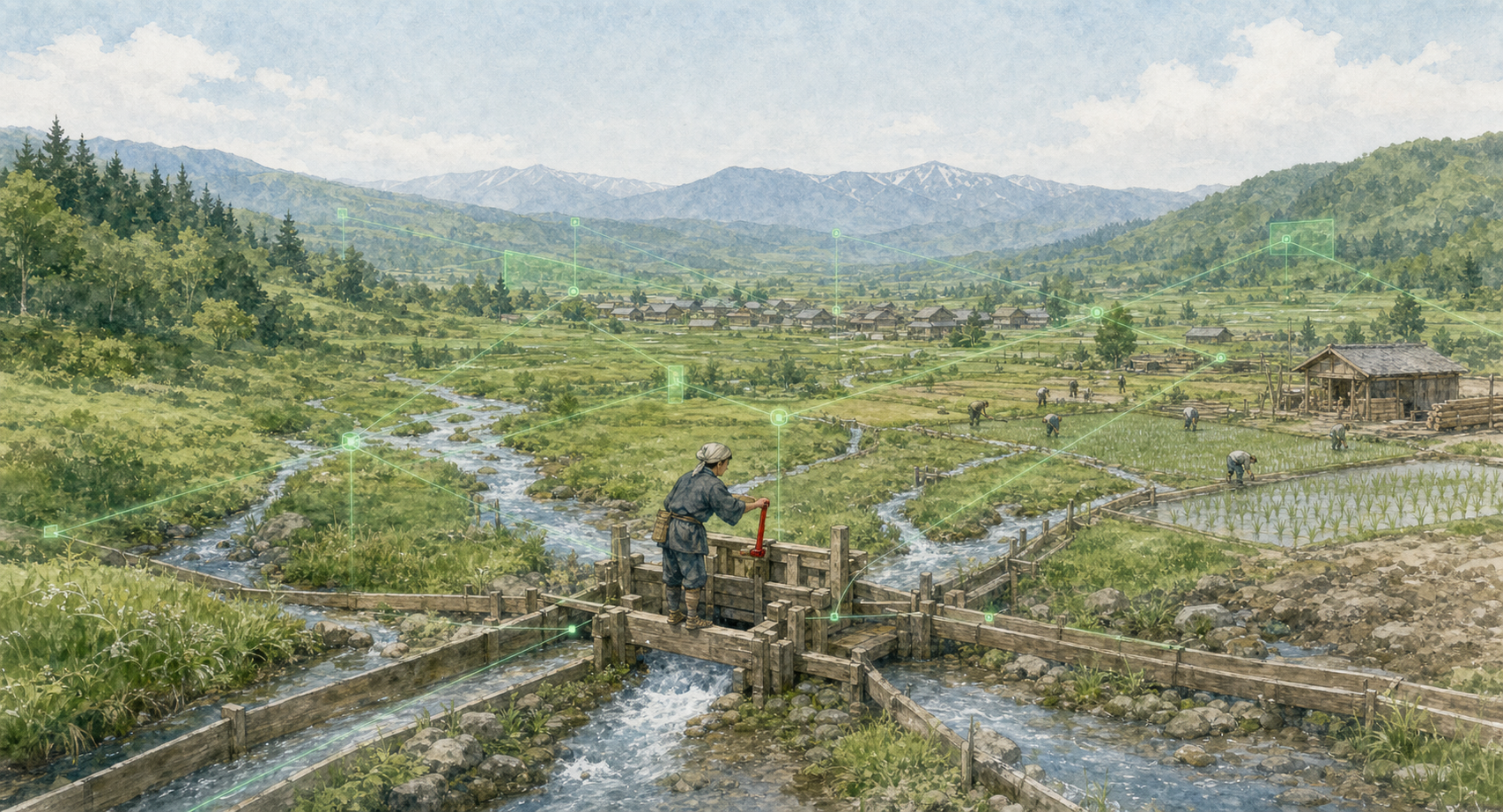
Long-term growth as an AI Integration Specialist depends on continuous learning, sharper soft skills, and deliberate specialization.
Data quality, model performance, stakeholder expectations, and ethics are recurring AI integration risks that require practical controls.

Netflix recommendations and Google data-center optimization illustrate how clear use cases connect AI systems to operational value.
A repeatable AI integration process starts with the problem, then moves through design, implementation, evaluation, and monitoring.
Business understanding is a core AI integration skill because useful systems must fit goals, incentives, constraints, and workflows.

Zillow Offers and Amazon recruiting show how AI fails when business goals, data, and operational reality are misaligned.
AI integration is practical change work, not model worship, and it succeeds only when systems, workflows, and people fit together.
Shared AI vocabulary makes integration work smoother by aligning teams on models, APIs, prompt engineering, data, and deployment.