An Ecosystem of the Accountable
Why stable AI ecosystems require more than distributed value: every agent must act under a named human principal who remains answerable for the outcome.
Writing
Series
A series on human accountability for AI: who answers for it, how to run it responsibly, and what it should ultimately serve.
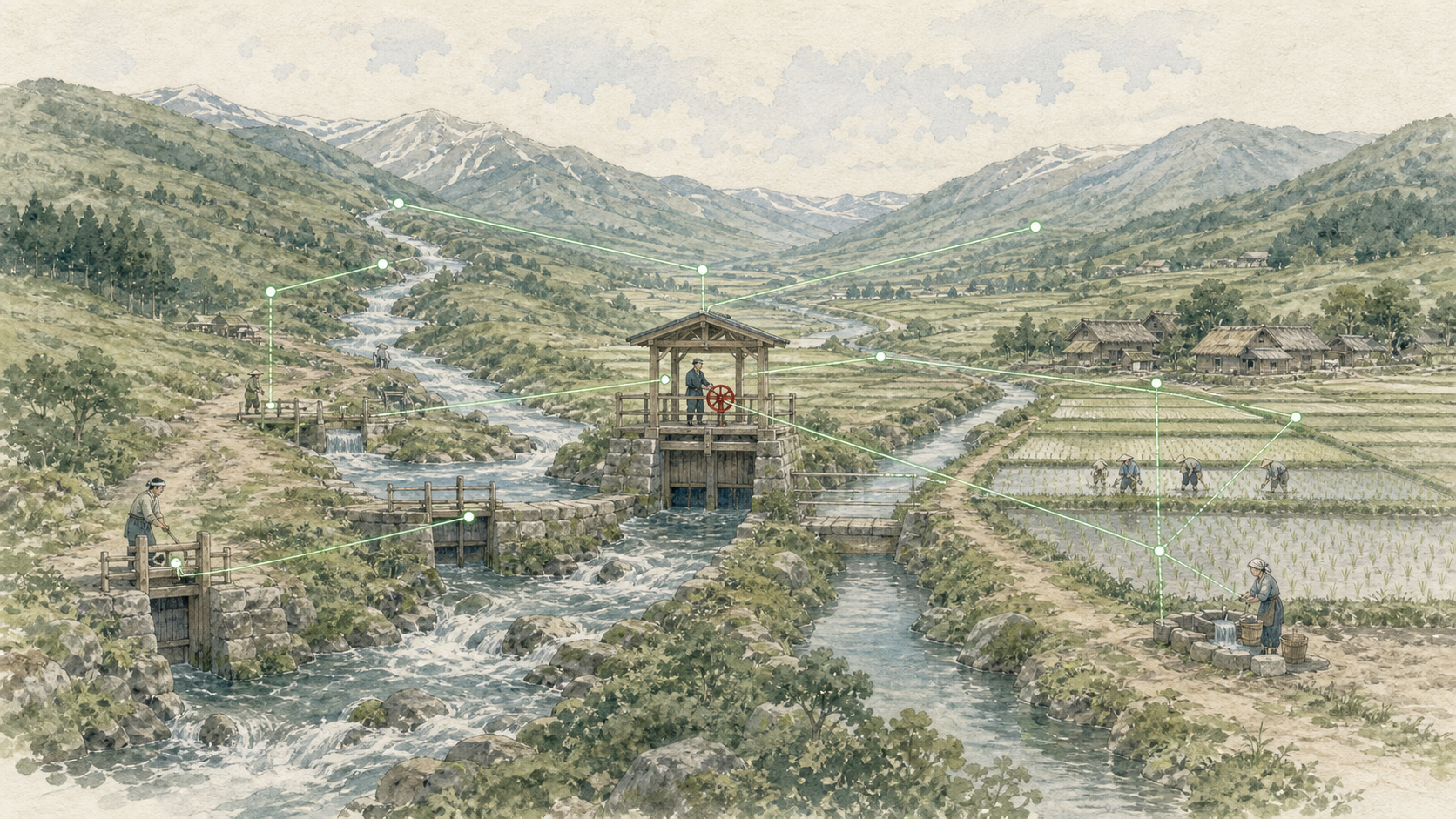
Why stable AI ecosystems require more than distributed value: every agent must act under a named human principal who remains answerable for the outcome.
Responsible AI at scale depends on preserving human response-ability through bounded mandates, checkpoints, reversible failures, records, risk, and respect.
AI systems should be judged by tracing their consequences to human footing: whether they strengthen subsistence, health, capability, and flourishing—or degrade them.
Trust is the wrong framework for AI agents: humans must define mandates, permissions, boundaries, backups, and accountability for every consequential run.
The essential human position in the AI era is the judge: direct the inquiry, develop the record, and remain answerable. Judgment runs on attention, capacity, and memory.
Standards make iteration and scale possible by exposing defects, enabling cure, naming the judge, and calibrating how high the bar should be.
Legitimacy isn't whether a decision was reasonable — it's whether it was reached the agreed way. Why procedure pursues finality over truth, and when it must evolve.
A governance system should keep the record and flag discrepancies — never judge. Why resolutions bind dissenters, and when acting without authority can still be right.
AI adoption cases count money and labour but miss meaning. Why resistance can protect identity, and what responsible adopters must ask before automating.
OpenAI and Anthropic should listen more and explain alignment and safety better. Responding to the public is part of responsible AI development.